

Section _ Understanding (Darlington transistor ) or Darlington pair
Effect of ratio (intrinsic dissipation) on the performance of a Darlington transistor (Darlington pair)
Researcher and author: Dr. ( Afshin Rashid)
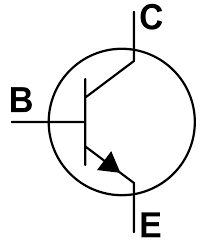
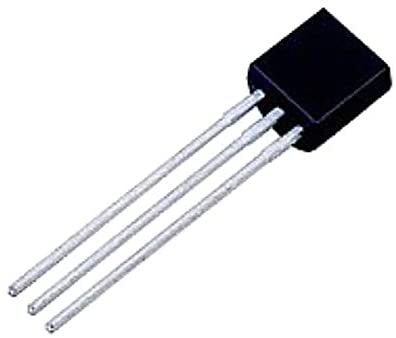
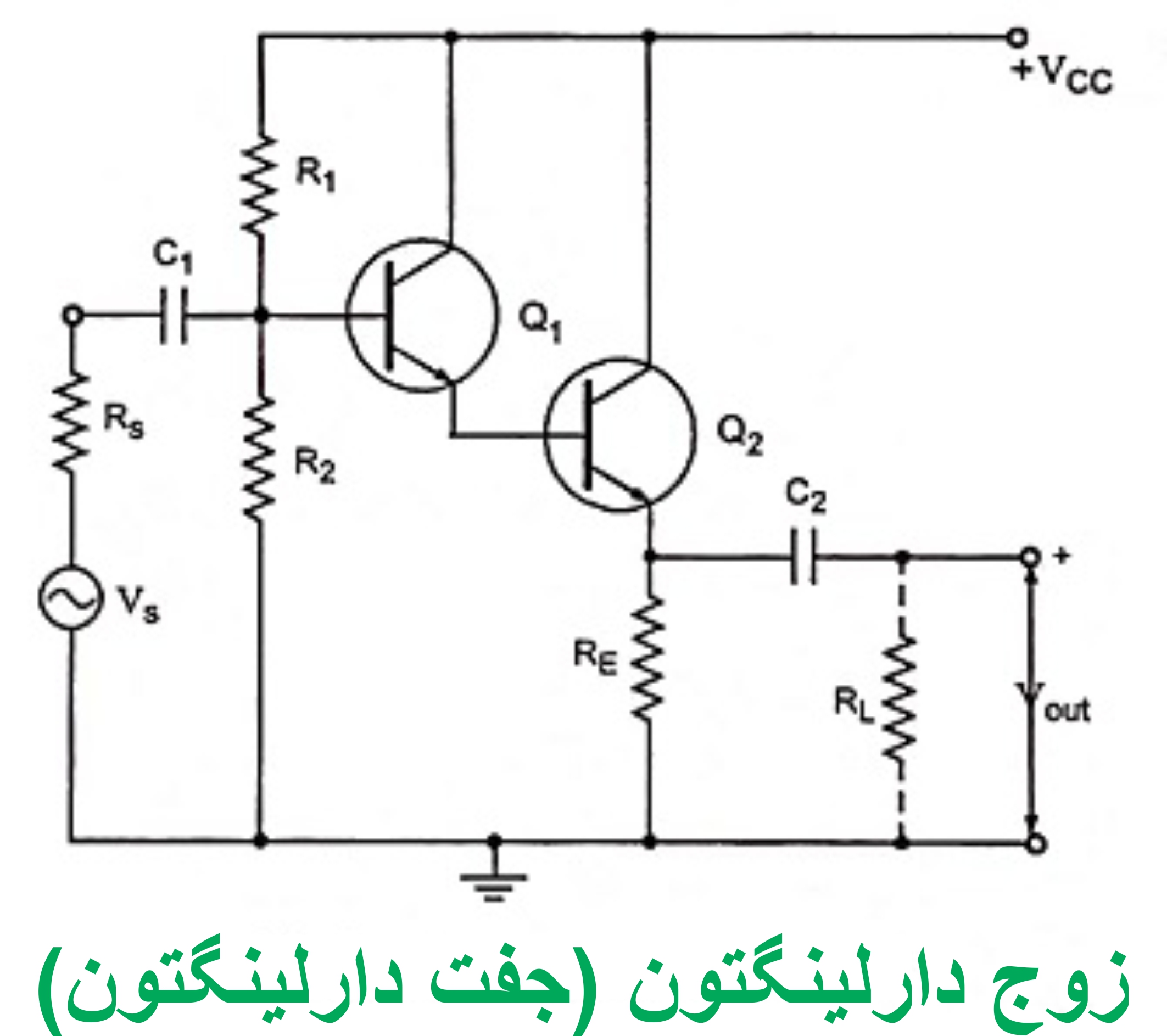
The intrinsic depletion ratio (η) of a Darlington transistor determines the emitter voltage required to turn on the device. This voltage defines the voltage at which the Darlington transistor transitions from a high-resistance state to a low-resistance state. The depletion ratio is an intrinsic property of the UJT that is affected by its internal structure and the dopant concentration of the base material.
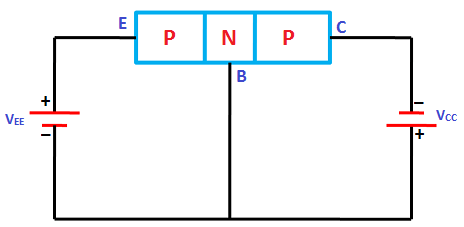
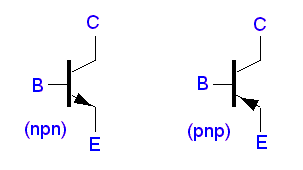
The main function of a Darlington transistor
The main function of a Darlington transistor is to act as a voltage-controlled switch. It turns on when the voltage at its emitter terminal reaches a certain fraction of the voltage across its two base terminals (defined by its inherent standoff ratio), and turns off when the current falls below the dropout point, allowing it to be used as a very efficient relaxation oscillator.
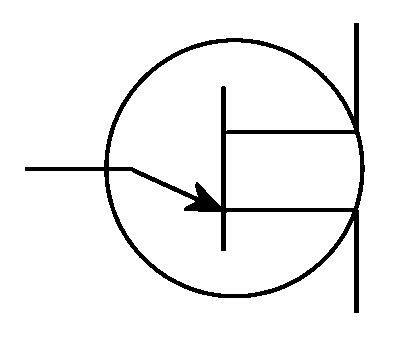

The operating theory behind a Darlington transistor
The operating theory of a Darlington transistor is based on its unique structure and modulation of the conductivity in its base region. When the emitter voltage reaches a certain level (determined by the intrinsic standoff ratio), it induces a current that causes a sudden drop in resistance in its negative resistance region. This property allows it to be used for applications such as relaxation oscillators.
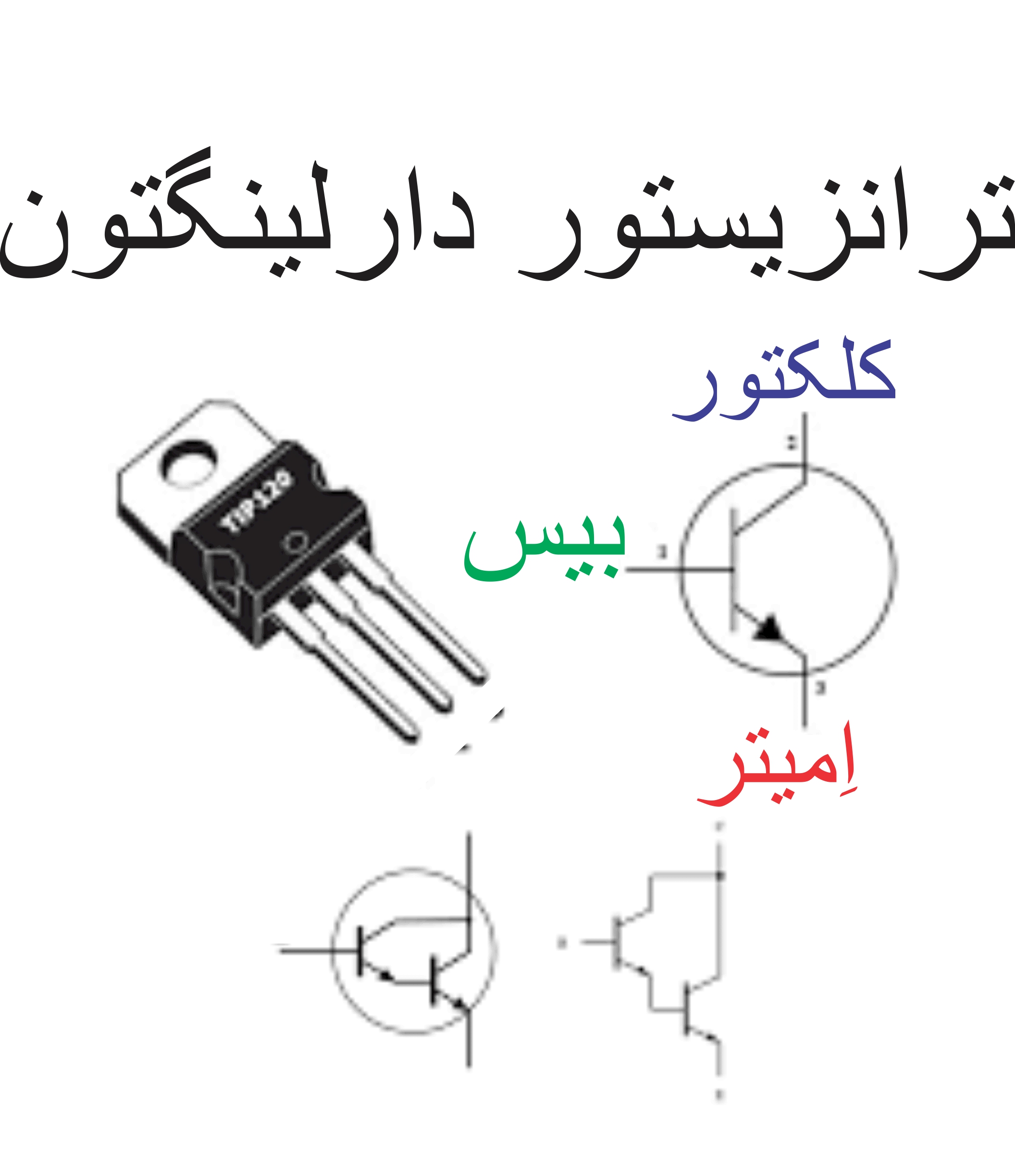
_ife5.gif)
Darlington transistor in relaxation oscillator circuits
Darlington transistors are preferred in relaxation oscillator circuits because of their unique negative resistance characteristics, which allow for a simple design requiring only a few external components such as resistors and capacitors. Their inherent ability to switch from a high resistance state to a low resistance state and then automatically reset makes them ideal for generating repetitive pulses.
Researcher and author: Dr. ( Afshin Rashid)
Specialized PhD in Nano-Microelectronics