

Section _ Understanding (Darlington transistor ) or Darlington pair
Darlington pair as one (a relaxation oscillator)
Researcher and Author: Dr. ( Afshin Rashid)

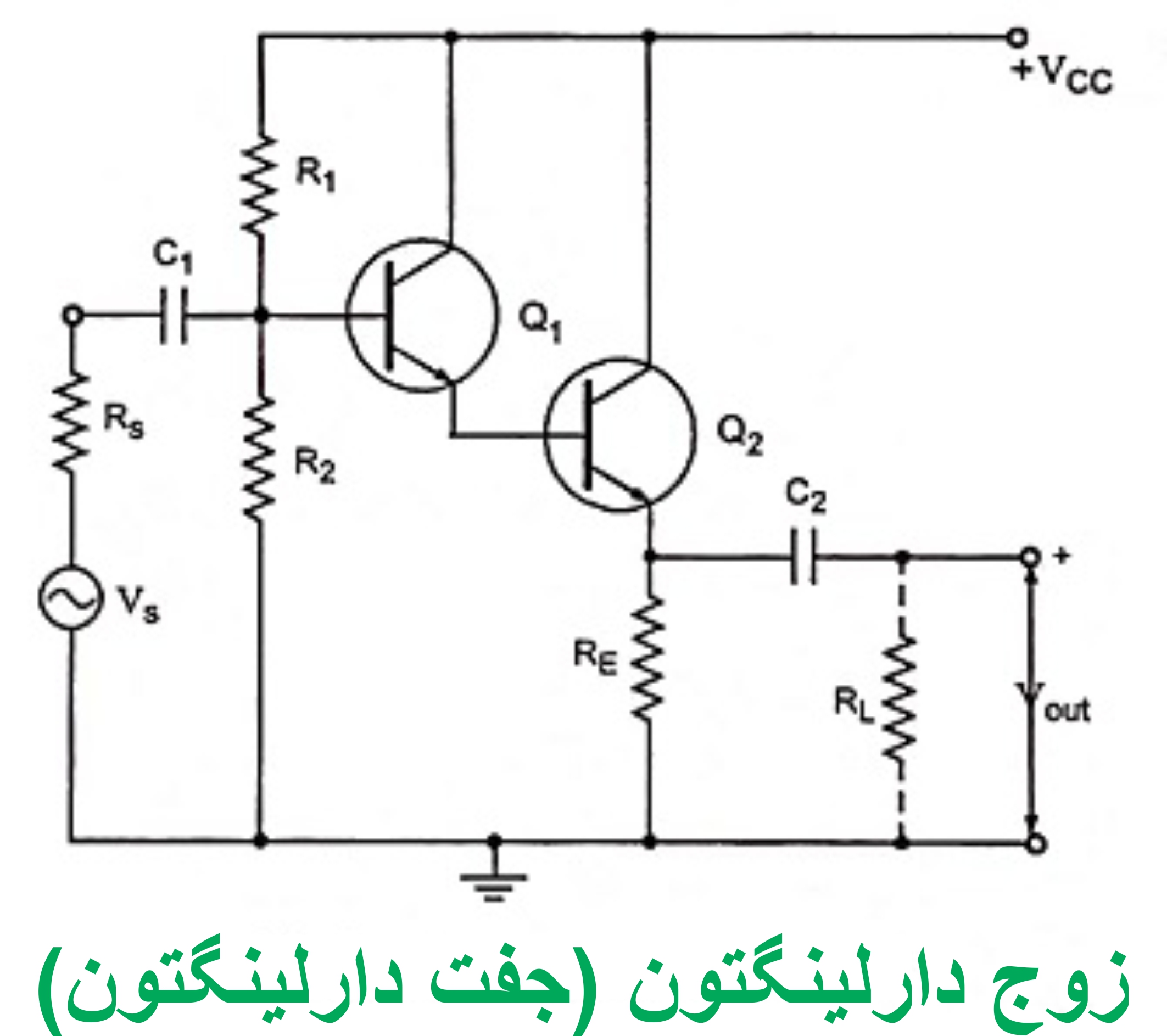
_ife5.gif)
In the Darlington transistor structure, it finds its primary application in relaxation oscillator circuits, using its unique negative resistance characteristic to generate timing pulses. These oscillators are essential in many electronic systems where a simple and reliable timing circuit is required.
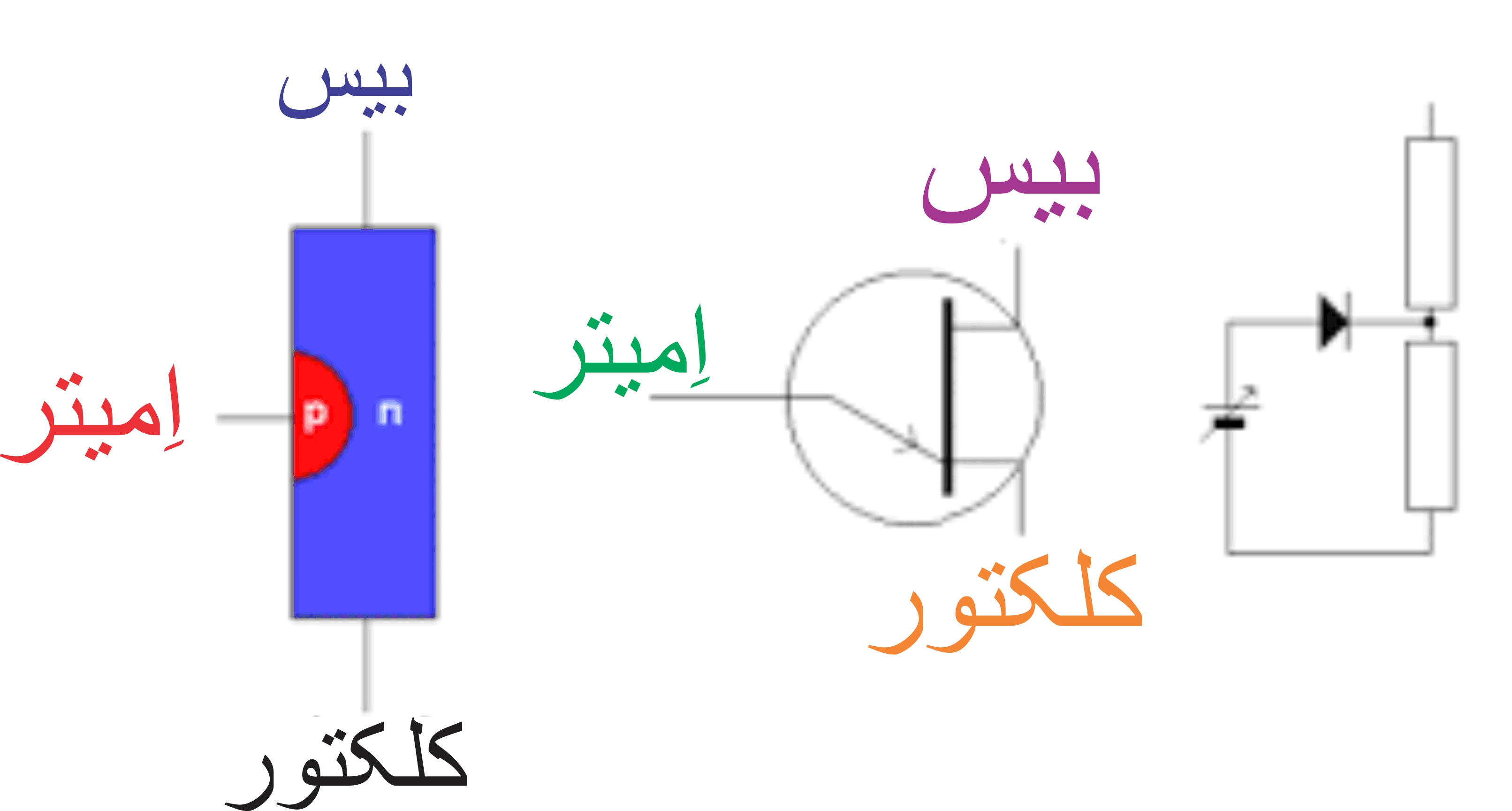

The operation of a relaxation oscillator in a Darlington transistor structure relies on the repeated charging and discharging of a capacitor, which is controlled by the inherent properties of the Darlington transistor structure of the Darlington transistor structure to switch between high and low resistance states based on the voltage at its emitter terminal, which makes it a natural choice for such circuits. The operation can be described as follows: Initially, the capacitor is charged through a resistor until the emitter voltage reaches the peak voltage (Vp) in the Darlington transistor structure . At this point, the Darlington transistor structure switches to its low resistance state, allowing the capacitor to discharge rapidly through the emitter to base 1. After the discharge is complete and the emitter voltage drops below the valley point voltage (Vv), in the Darlington transistor structure it returns to its high resistance state and the capacitor begins to recharge and this cycle continues, resulting in a pulsed output.

The oscillation frequency for a relaxation oscillator in a Darlington transistor can be approximated using the following formula:
f ≈ 1/(R*C*ln(1/(1-η)))
Where:f
- The frequency is the oscillation.
- The resistance is the charge.
- is the capacitance of the capacitor.
is the intrinsic gap ratio of the Darlington transistor .
This formula provides a practical way to calculate the expected oscillation frequency based on the selected components and the inherent characteristics of the component. It also explains why Darlington transistors are ideal for this type of circuit, as the oscillation is determined by the passive components, which is a very stable and predictable method.