

Section _ Fabrication and formation of programmable PUT transistors
Understanding and how to trigger a programmable field effect transistor ( PUT )
Researcher and author: Dr. ( Afshin Rashid)
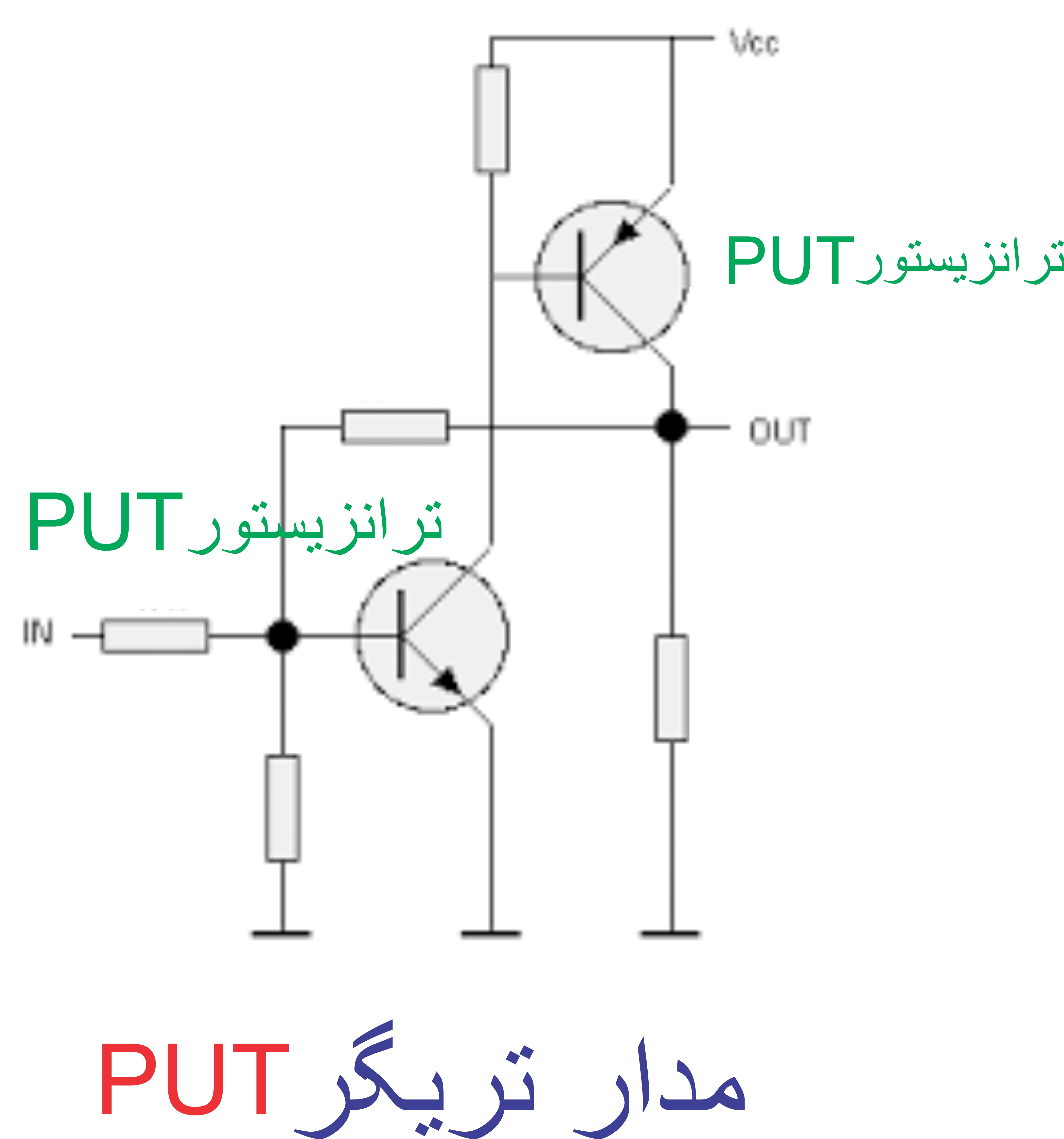
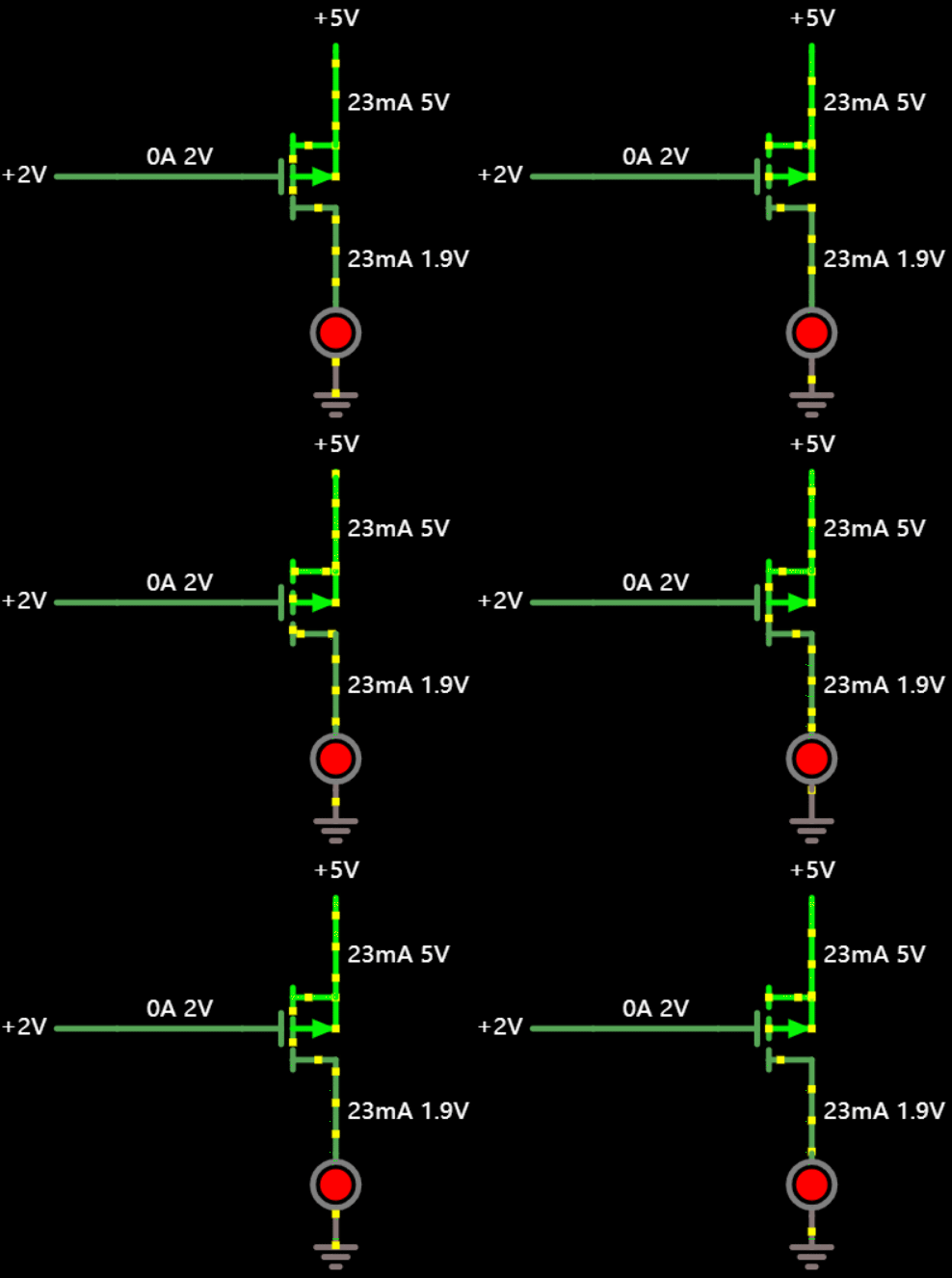
On the other hand, a programmable single-junction transistor or PUT can be triggered by a voltage applied to its gate terminal. The most common way to trigger a thyristor is to apply a small pulse of current to its gate terminal. This makes PUTs more versatile than thyristors, as they can be triggered by a wide range of different signals. Given their general functionality, these two types of electronic components are commonly used in a variety of applications where their performance can be best utilized.
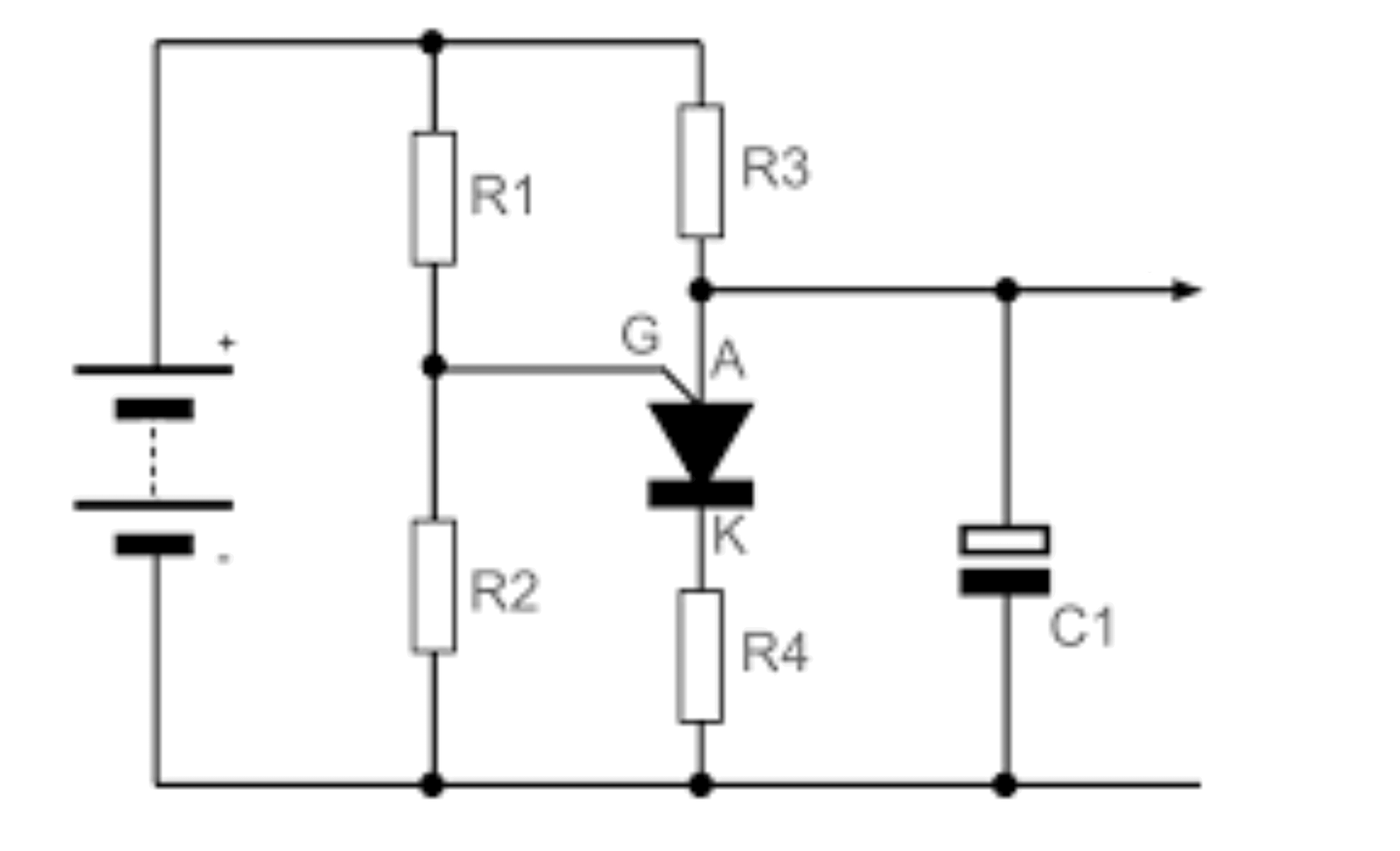
PUT single-junction transistors are mostly used for timing and oscillator circuits, while thyristors are mostly used for power control circuit designs. Programmable single-junction transistors are often a better choice than thyristors in applications where fast switching speed is important. Thyristors are usually chosen in applications where high current and voltage handling is important.
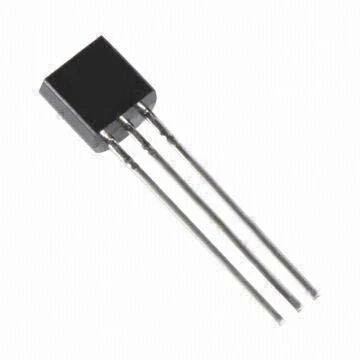

Programmable single-junction transistors are often a better choice than thyristors in applications where fast switching speed is important. Thyristors are usually chosen in applications where high current and voltage handling are important. The PUT element is widely used in circuits such as oscillators, timers. This transistor has a four-layer structure just like thyristors and has three terminals called anode (A), cathode (K) and gate (G) again like thyristors. This transistor is called programmable only because its characteristics and parameters are very similar to those of single-function transistors. This is programming.
Researcher and author: Dr. ( Afshin Rashid)
Specialized PhD in Nano-Microelectronics