

_ بخش (نانو و میکرو اِلکترومکانیکال MEMS)
(نانو و میکرو اِلکترومکانیکال MEMS) و ساخت اَدوات و اَفزاره های جدید در نانو الکترونیک
پژوهشگر و نویسنده: دکتر ( افشین رشید)
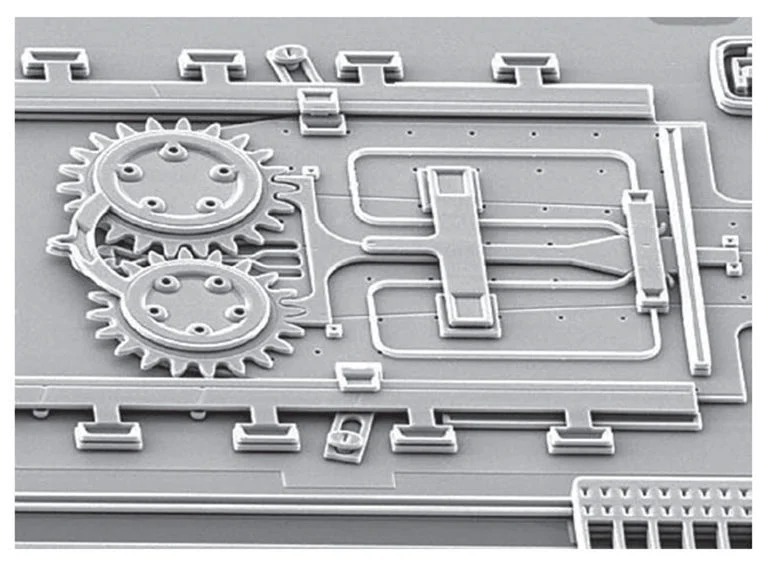
نکته : برای تکثیر و ساخت سیستم های (نانو و میکرو اِلکترومکانیکال MEMS) مجموعه ای از تکنیک ها را با استفاده از محلول نانو ذرات ، که یک لایه بسیار نازک روی بستر مورد نظر ایجاد می کنیم ، قرار می دهیم و به عنوان یک لایه میانی در طول فرآیند نانو الگو استفاده می شود.
برای تکثیر و ساخت سیستم های (نانو و میکرو اِلکترومکانیکال MEMS) با توجه به برهم کنش بین نانو ذرات ، آنها می توانند خود را سازماندهی کرده و یک لایه نازک ایجاد کنند که بین آنها سوراخ ایجاد می کند ، این تکنیک در ابتدا سنگ نگاری طبیعی نامیده شد . با توجه به ماهیت یکپارچگی ذرات کلوئیدی و ویژگی آب دوست آنها ، آنها یک کریستال کلوئیدی با حفره های مرتب شده تشکیل می دهند که از طریق آنها مواد مورد علاقه نفوذ کرده و روی بستر رسوب می کنند. به عنوان مثال ، می توان از نانو کُره های لاتکس پلی استایرن استفاده کرد. مواد رسوب شده بر روی نانو ذرات پس از غوطه ور شدن نمونه در حلال مناسب و فراصوت شدن ناپدید می شوند. این فرایند در تکثیر و ساخت سیستم های (نانو و میکرو اِلکترومکانیکال MEMS) شبیه یک فرآیند برداشتن است . از مزایای این تکنیک می توان به الگوهای وسیع ، سادگی ، وضوح خوب و قابلیت ترکیب با سایر تکنیک ها برای تکثیر و ساخت سیستم های (نانو و میکرو اِلکترومکانیکال MEMS) اشاره کرد. از سوی دیگر ، این تکنیک با توجه به اشکال محدود موجود برای مواد کاربردی الگو دار ، ترتیب برد نانو الگوها و وجود نقص نقطه ای ، مشکلاتی را ایجاد می کند.
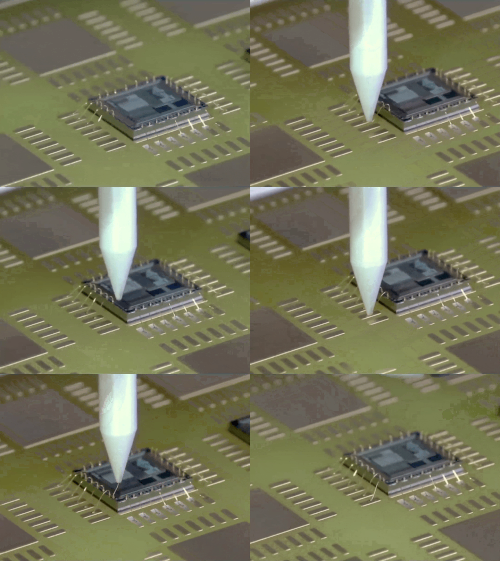
به طور کلی اگر دو تکنیک برای تکثیر و ساخت سیستم های (نانو و میکرو اِلکترومکانیکال MEMS) از نظر وضوح یا ناحیه الگو میتوانند ، یکدیگر را تکمیل کنند ، ترکیب آنها در یک ساز واحد منطقی است. از این رویکرد برای ساختن ترانزیستور تک الکترونی استفاده شده است ، نوشتن مستقیم لیزر برای قرار گرفتن در معرض مناطق بزرگ و لیتوگرافی کاوشگر حرارتی برای الگوهای با وضوح بالا را ادغام می کند ، ترکیب سیستم های (نانو و میکرو اِلکترومکانیکال MEMS)با استفاده از یک لایه مقاوم در برابر نانو لیتوگرافی ترکیبی است ، در فرآیندی که مخلوط و مطابقت ایجاد شده است.به این مفهوم به طور معمول مستلزم استفاده متوالی از تکنیک تکثیر و ساخت سیستم های (نانو و میکرو اِلکترومکانیکال MEMS) با مساحت وسیع برای الگوی ابعاد غیر بحرانی و تکنیک لیتوگرافی با وضوح بالا برای الگوبرداری از کوچکترین ابعاد ، با پروتکل های مناسب برای تراز سیستم های (نانو و میکرو اِلکترومکانیکال MEMS) است. برای تکثیر و ساخت سیستم های (نانو و میکرو اِلکترومکانیکال MEMS) همچنین برای انجام قرار گرفتن در معرض مقاومت پی در پی مقاومت های شیمیایی تقویت شده توسط لیتوگرافی نوری و لیتوگرافی پرتو الکترونی استفاده شده است برای تکثیر و ساخت سیستم های (نانو و میکرو اِلکترومکانیکال MEMS) از لیتوگرافی از بالا به پایین و خود سازماندهی دو پلیمر را از پایین به بالا به منظور تولید نانو الگوی با وضوح بالا در مناطق بزرگ است. به طور معمول ، خود سازماندهی بلوک کوپلیمر به طور تصادفی جهت دهی شده و فاقد نظم طولانی مدت است ، اما الگوی قبلی از بالا به پایین بستر را برای تکثیر و ساخت سیستم های (نانو و میکرو اِلکترومکانیکال MEMS) فراهم می کند. ، سیستم های (نانو و میکرو اِلکترومکانیکال MEMS) یک بستر باعث رشد ترجیحی مواد نیمه هادی در مناطق تابیده می شود ، که می تواند برای ساخت آرایه های مرتب از نقاط نیمه هادی استفاده شود.
نتیجه گیری :
برای تکثیر و ساخت سیستم های (نانو و میکرو اِلکترومکانیکال MEMS) مجموعه ای از تکنیک ها را با استفاده از محلول نانو ذرات ، که یک لایه بسیار نازک روی بستر مورد نظر ایجاد می کنیم ، قرار می دهیم و به عنوان یک لایه میانی در طول فرآیند نانو الگو استفاده می شود.
پژوهشگر و نویسنده: دکتر ( افشین رشید)