

Section _ Understanding (Darlington transistor ) or Darlington pair
Investigation and analysis of the intensity (peak voltage Vp) in a Darlington transistor = pair or pair (emitter vs. collector duty) and timely action of the base
Researcher and author: Dr. ( Afshin Rashid)
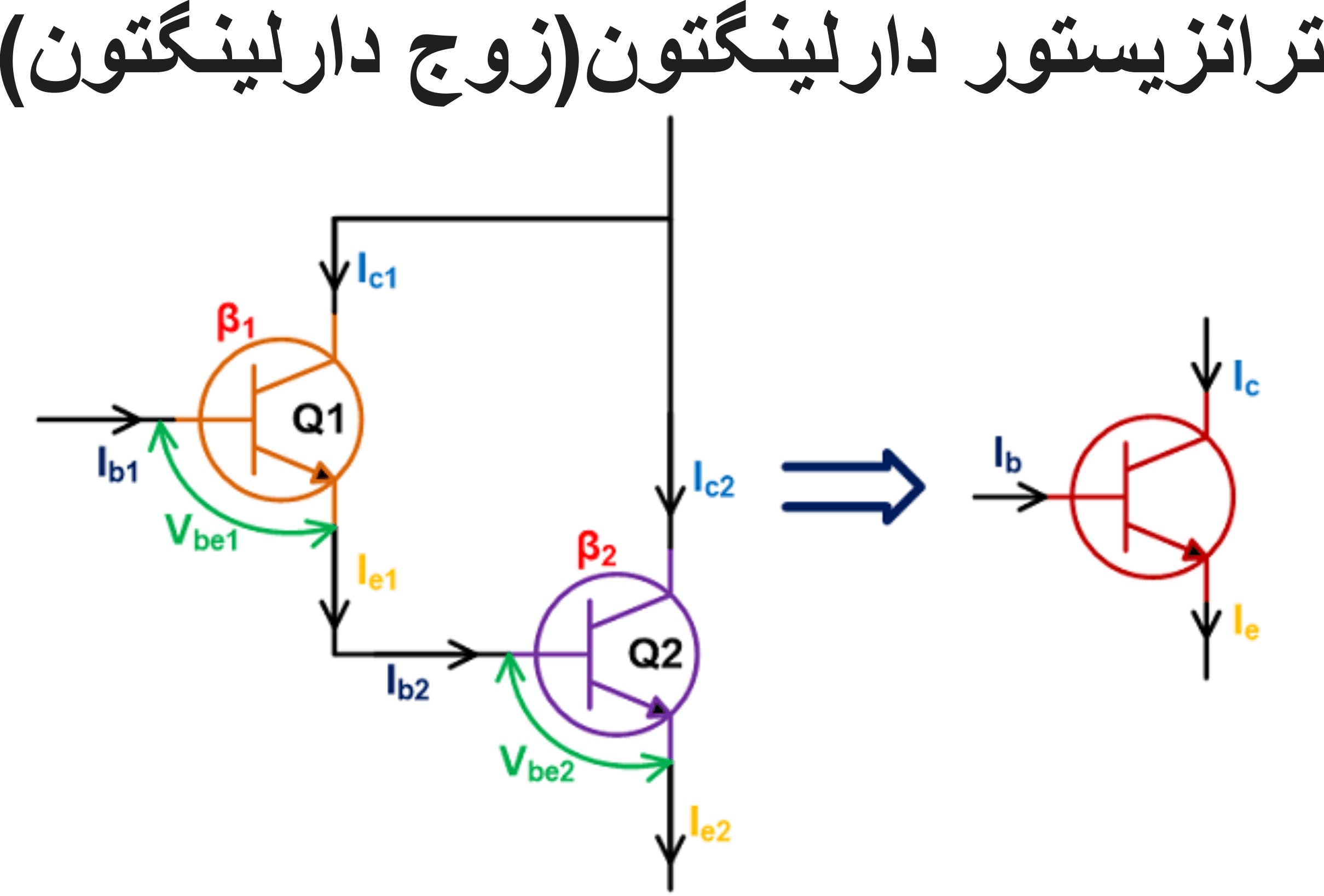
The main function of a Darlington transistor
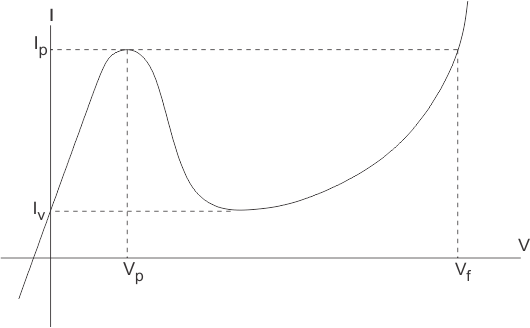
The main function of a Darlington transistor is to act as a voltage-controlled switch. It turns on when the voltage at its emitter terminal reaches a certain fraction of the voltage across its two base terminals (defined by its inherent standoff ratio), and turns off when the current falls below the dropout point, allowing it to be used as a very efficient relaxation oscillator.
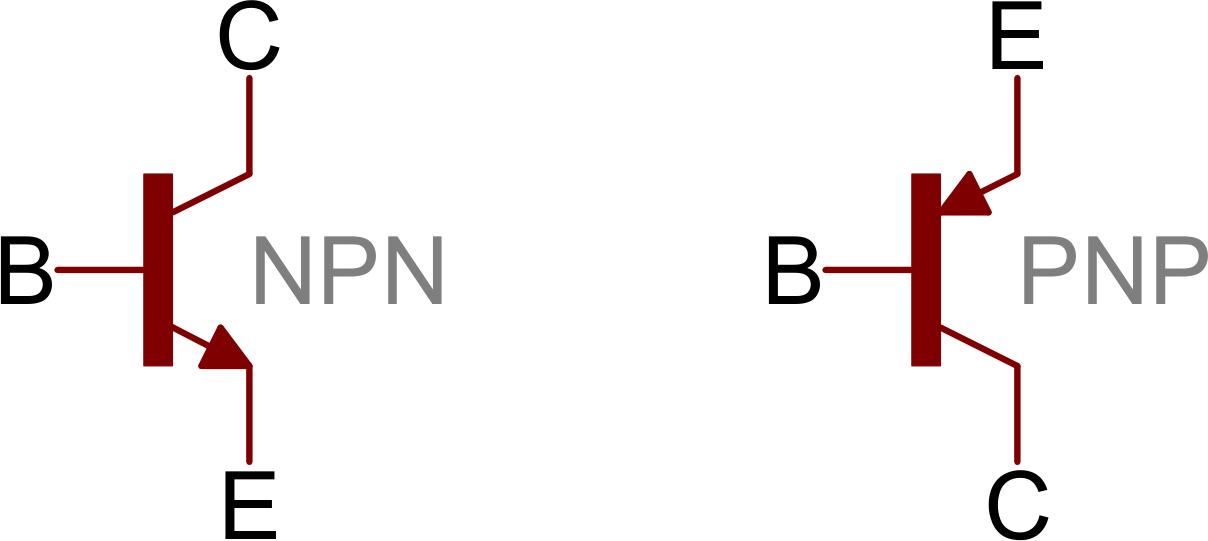
One of the main characteristics of the Darlington transistor is the emitter voltage versus collector current. In most electronic circuit designs, the emitter is connected to the rail voltage and the base to ground. The gate is connected to two external "circuit" resistors that set the trigger voltage, or more precisely the gap ratio, η, and the peak voltage Vp.
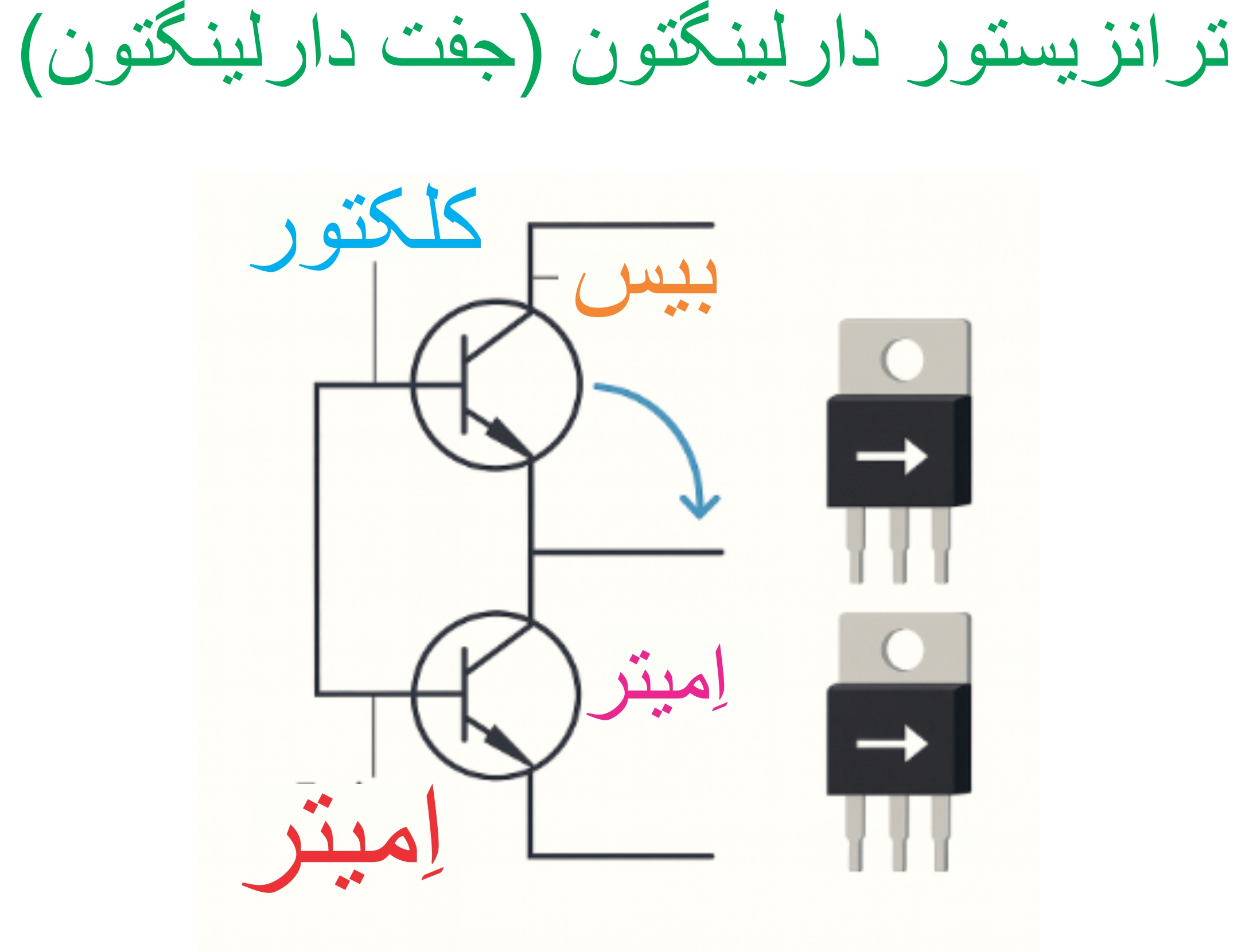

In the Darlington transistor , it is found that as the emitter-collector voltage increases, the base current initially increases. However, the emitter voltage cannot increase beyond a certain point and here it is found that the number of injected charges cannot increase due to charge saturation. This means that the anode voltage actually decreases, causing a negative resistance region in the characteristic curve. The emitter voltage continues to decrease until it reaches a minimum, where no further reduction of the collector voltage is possible because the charges are completely saturated. After the minimum, also known as the voltage peak point, the emitter voltage starts to increase again and behaves like a conventional PN junction diode. The peak voltage, Vp, is the emitter-collector voltage after which the Darlington transistor characteristic shifts to the negative resistance region. This voltage usually occurs at a point that is equal to the voltage of a forward-biased N-junction diode (0.7 V) plus the emitter-to-base voltage, EB.
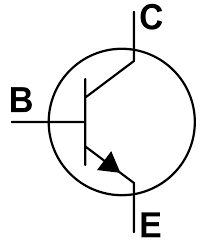
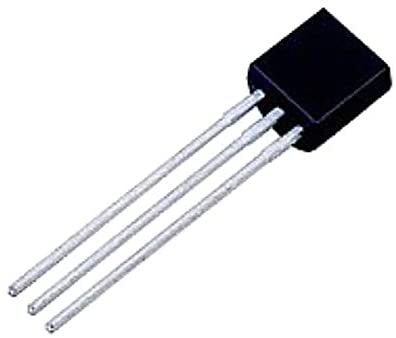

A Darlington transistor is similar to a small SCR diode and works in the same way. It blocks current until it is energized. When energized, if the current is high enough, it turns on and remains on until the emitter current falls below the holding current. To activate a Darlington transistor and put it in the on state, current is transferred from the emitter to the base, so the emitter-base junction must be forward biased, with the emitter potential 0.6 volts higher than the collector.
Researcher and author: Dr. ( Afshin Rashid)
Specialized PhD in Nano-Microelectronics